Inside Knight Transportation’s Equipment Strategy – The Trucks, Trailers, and Technology Behind the Fleet
Watch the full Beyond the Rig podcast episode below to hear directly from Knight’s equipment leaders about how trucks and trailers are selected, tested, maintained, and improved to support drivers across the fleet.

The Equipment Behind Every Mile
Every professional driver has opinions about equipment. The size of the bunk matters. Storage matters. Ride quality matters. Safety technology matters. And when you’re spending days or weeks on the road, comfort can make a significant difference.
In the latest episode of Beyond the Rig, Knight leaders Dave Williams and Steve Collins pull back the curtain on the decisions that shape the trucks and trailers our drivers operate every day.
From truck specifications and safety technology to trailer design, fuel efficiency, and future innovations, this conversation provides an inside look at how Knight approaches equipment with drivers in mind.
How Trucking Equipment Has Evolved
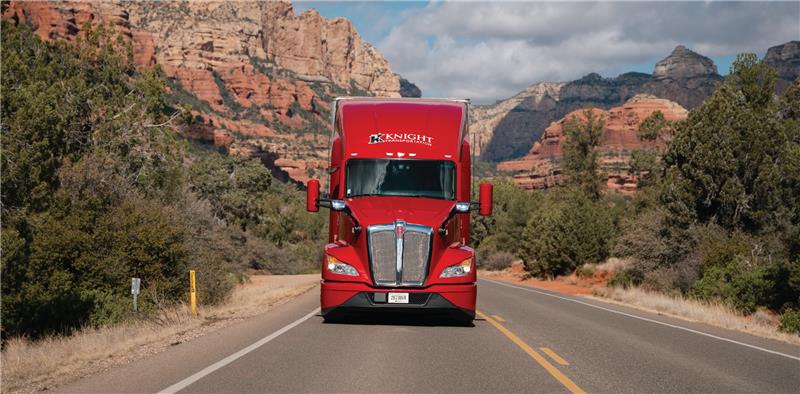
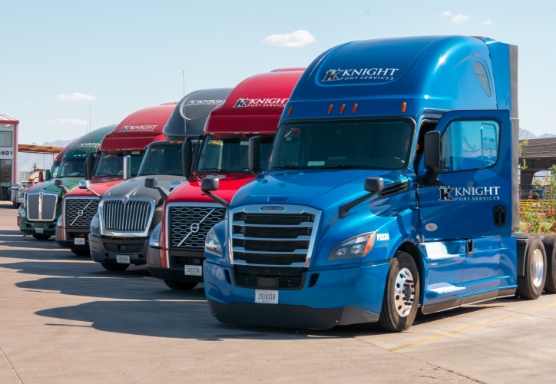
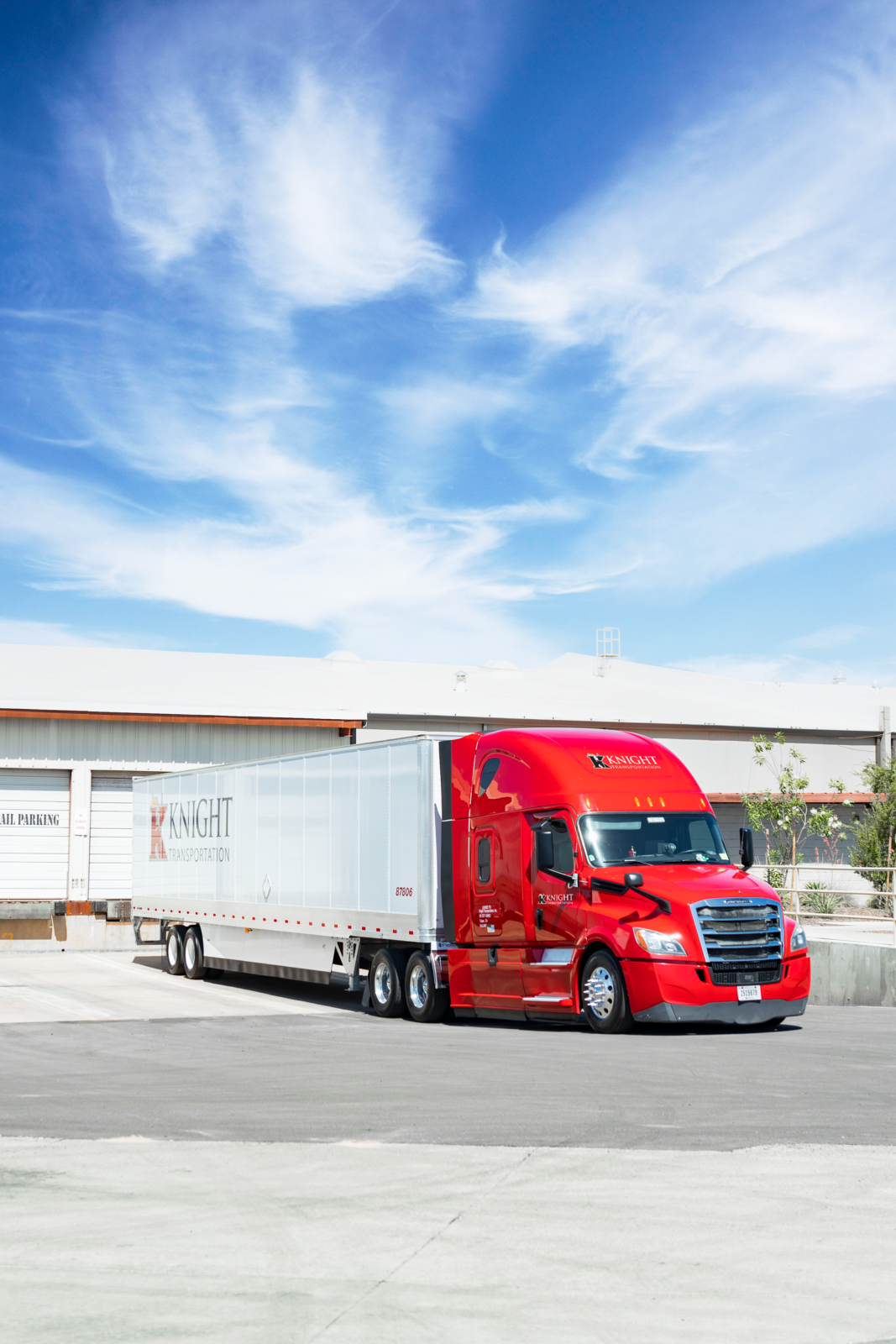
When Dave Williams started at Knight in 1992, the company operated fewer than 100 trucks. Today, Knight-Swift manages more than 26,000 trucks and 95,000 trailers across its brands.
Along with that growth, equipment has changed dramatically.
Modern trucks offer:
- Larger living spaces and sleeper berths
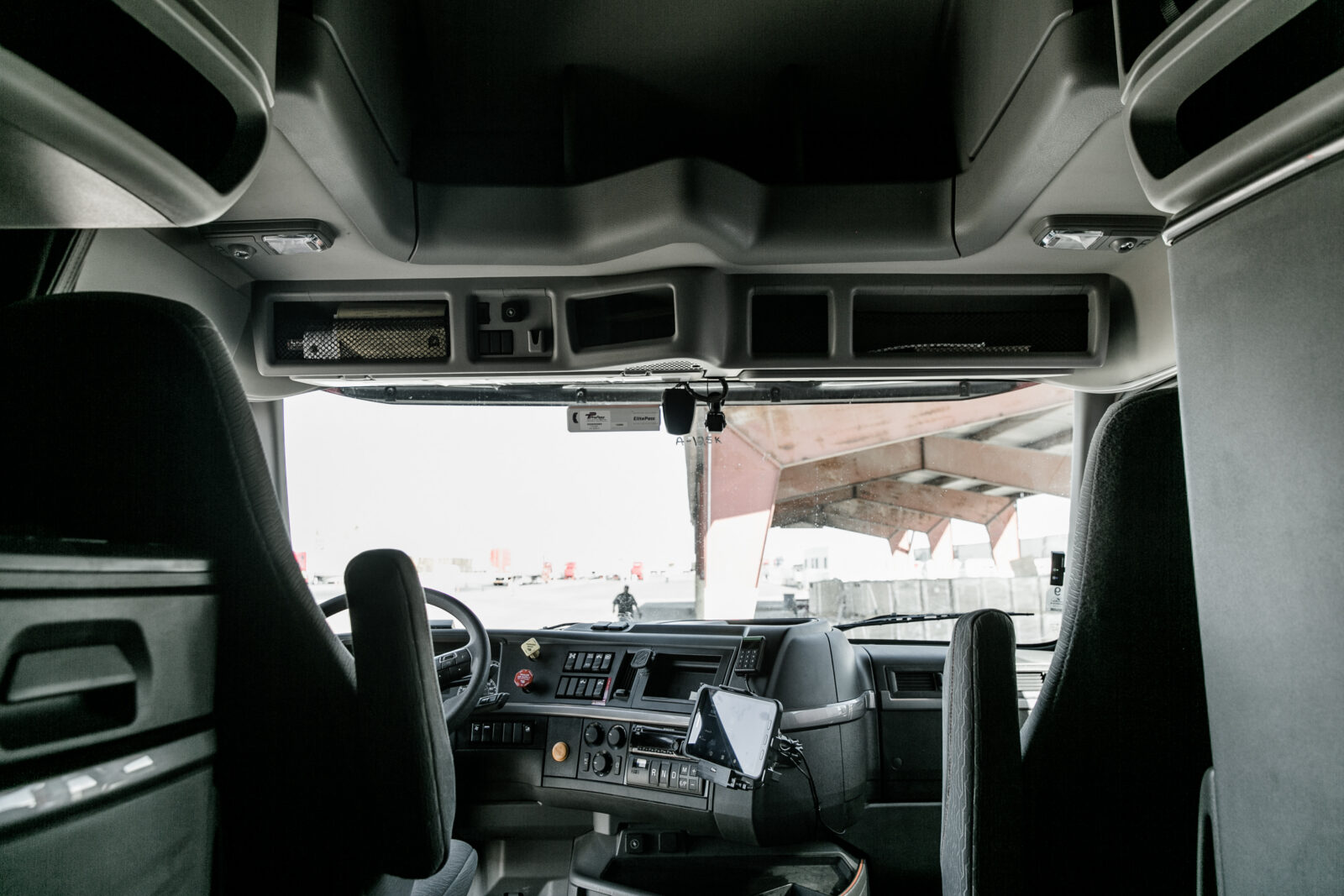
- Advanced onboard computer systems
- Automated transmissions
- Improved fuel efficiency
- Driver-assistance technologies
- Enhanced comfort and storage options
What was once a basic vehicle has evolved into a highly sophisticated machine designed to improve safety, performance, and the driver experience.
Safety Technology Is Changing the Industry
One of the biggest differences between today’s trucks and those of previous decades is safety technology.
Many modern safety systems now actively assist drivers on the road, including:
- Collision mitigation systems
- Roll stability control
- Lane departure assistance
- Side-object detection
- Forward-facing camera systems
- Automatic emergency braking
These technologies help protect drivers, reduce accident severity, and provide documentation when incidents occur.
According to the discussion, one of the most exciting developments on the horizon is lane-centering technology, which helps keep trucks positioned within their lane reducing driver fatigue from constant steering corrections. While drivers remain fully responsible for operation the vehicle, these advancements serve as valuable tools that enhance safety and reduce stress behind the wheel.

Driver Feedback Helps Shape Equipment Decisions
One of the most interesting takeaways from the podcast is how much driver feedback influences equipment specifications.
Knight’s equipment team regularly visits terminals, shops, and driver lounges to gather input directly from drivers.
Some of topics drivers frequently discuss include:
- Seat comfort
- Storage space
- Charging ports
- Refrigerators
- Bunk configurations
- Climate control systems
- Cab layout and visibility
The challenge is balancing driver preferences with other important considerations such as weight, maintenance requirements, fuel efficiency, reliability, and overall operating costs.
As Dave explained, every equipment decision involves trade-offs. The goal is finding the right balance that benefits the greatest number of drivers while supporting long-term fleet performance.
Why Trailer Technology Matters
Drivers often focus on the truck, but trailers play an equally important role.
Trailers generate revenue by hauling freight, and advancements in trailer technology have created significant operational improvements.
Modern trailer innovations include:
- GPS tracking and location visibility
- Loaded versus empty status monitoring
- Improved construction materials
- Enhanced safety and stability features
- Better cargo capacity optimization
For refrigerated operations, technology has become even more important.
Today’s reefer trailers incorporate advanced monitoring systems that can:
- Track temperature in real time
- Alert teams in potential failures
- Support predictive maintenance
- Help prevent expensive cargo losses
For high-value freight such as pharmaceuticals and food products, these systems can protect loads worth hundreds of thousands of dollars.
Fuel Efficiency Benefits Drivers
Fuel efficiency isn’t just about reducing costs – it can directly impact driver earnings.
Knight continually evaluates:
- Aerodynamic improvements
- Tire technology
- Rolling resistance
- Engine performance
- Idle reduction technology
- Driver-focused fuel-saving features
Over the years, fuel economy has improved dramatically, with modern trucks achieving significantly better than mileage than earlier generations of equipment.
Drivers also play an important role in maximizing efficiency through:
- Proper use of cruise control
- Reduced idle time
- Smooth acceleration
- Consistent driving habits
Combined with modern truck specifications, these practices help improve fuel performance and support fuel bonus opportunities.
Comfort Features Continue to Improve
Today’s drivers spend a significant amount of time in their trucks, making comfort a major consideration.
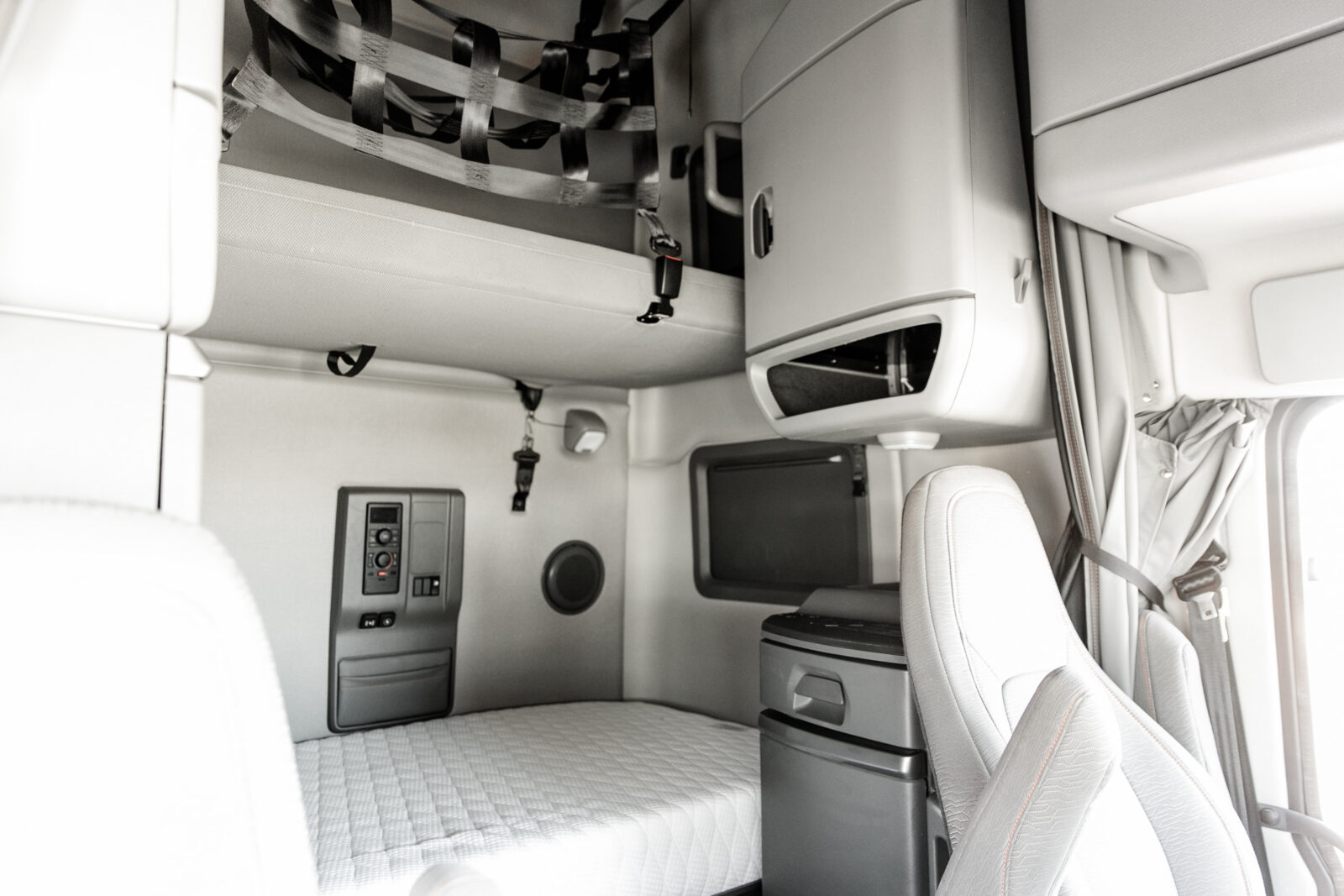
Over the years, Knight has invested in features that improve life on the road, including:
- Larger sleeper berths
- Power inverters
- Enhanced climate control systems
- Improved storage solutions
- Better seating options
- Advanced idle-management technology
The equipment team continually evaluates new innovations to determine which improvements provide the greatest benefit to drivers while remaining operationally practical.
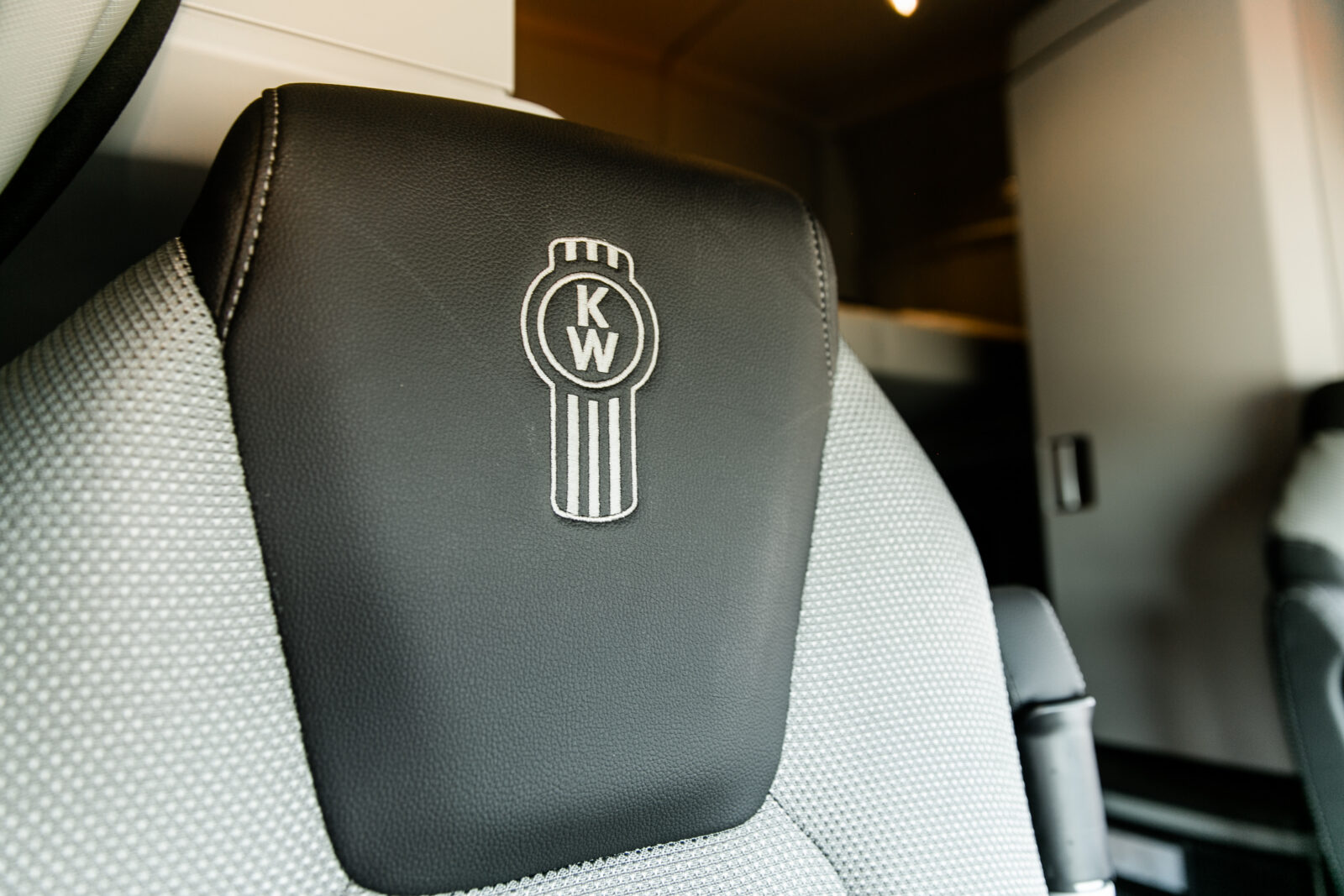
Inside of Our Trucks




Looking Ahead: What’s Next for Trucking Equipment?
The trucking industry continues to evolve, and Knight remains committed to testing and evaluating new technologies before implementing them across the fleet.
Topics discussed in the podcast include:
- Electric truck testing
- Alternative power solutions
- Predictive maintenance systems
- Advanced driver-assistance technology
- Future engine innovations
- Autonomous vehicle development
While headlines often focus on fully autonomous trucks, the equipment team believes the industry still faces significant technological, operational, and economic hurdles before widespread adoption becomes a reality.
In the near term, drivers can expect continued improvements in safety, reliability, efficiency, and comfort.
Listen to the Full Equipment Podcast
The decisions behind a fleet of this size aren’t made by accident. Every truck specification, trailer design, and technology investment involves extensive testing, driver feedback, operational analysis, and long-term planning.
If you’ve ever wondered why Knight chooses the equipment it does – or what technologies may be coming next – this episode provides valuable insight directly from the leaders responsible for those decisions.
Watch the full Beyond the Rig episode below and learn how Knight’s equipment strategy supports drivers every mile of the journey.