Why Non-Domicile CDL Changes and ELDT Enforcement Matter for Trucking Safety
The trucking industry is experiencing one of the most significant regulatory and training shifts in recent years.
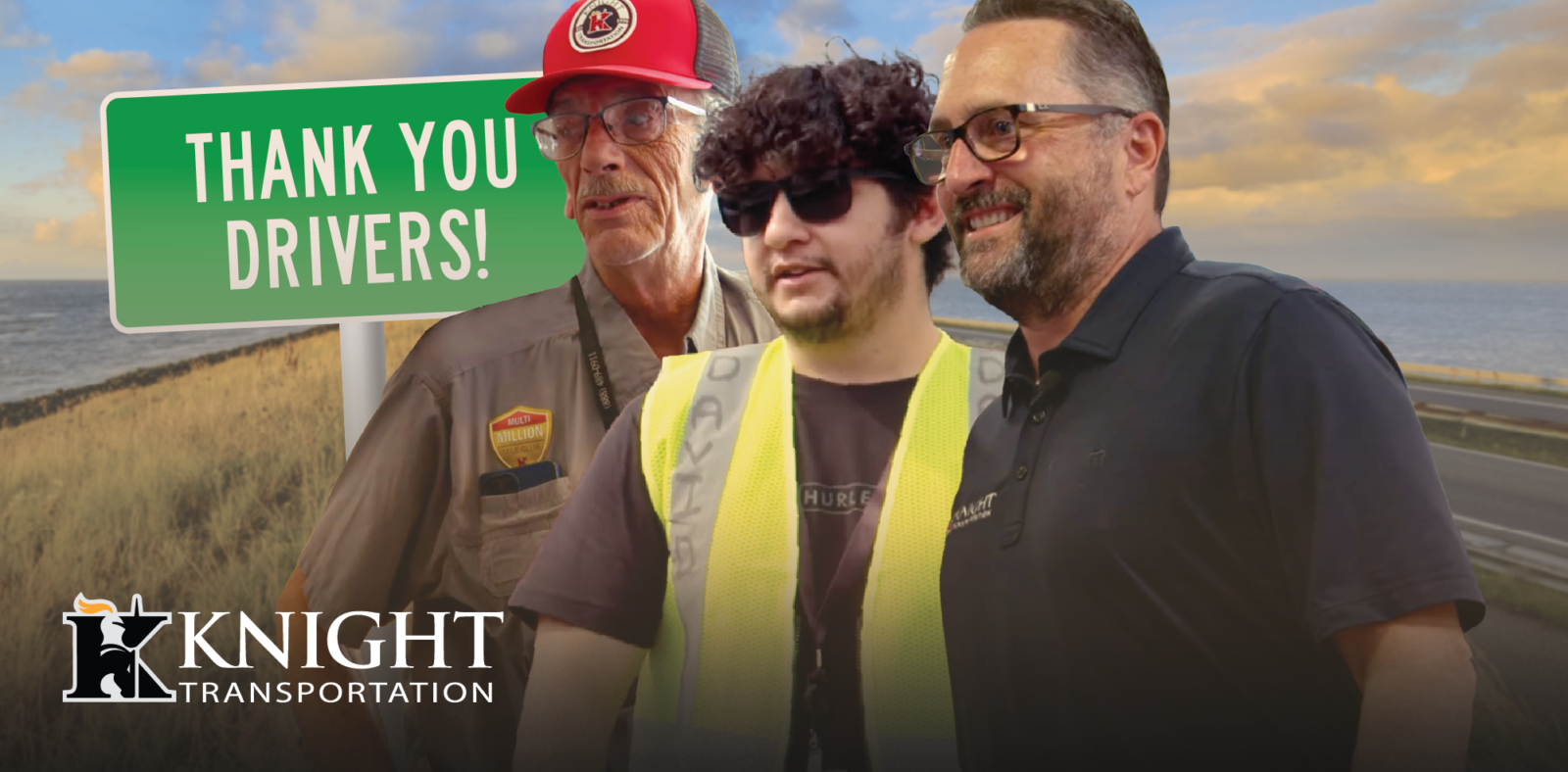
In this episode of Beyond the Rig, Knight Transportation safety leaders Dave Tillman and Brett Sant sit down to unpack what’s happening across the country with:
- Increased enforcement around non-domicile CDLs
- Audits and removals from the Training Provider Registry (TPR)
- Greater scrutiny on Entry Level Driver Training (ELDT) programs
- Renewed enforcement of English Language Proficiency (ELP) programs
- And what all this means for CDL schools, carriers, drivers, and the motoring public
Watch the full podcast episode here:

What Is a Non-Domicile CDL and Why Is It in the Spotlight?
CDL is a commercial driver’s license issued to individuals who are not permanent residents of the state where the CDL is issued.
Following several high-profile crashes and a sharp rise in CDL issuance between 2021-2024, the Federal Motor Carrier Safety Administration began auditing how states were issuing these licenses and how training providers were certifying drivers under the ELDT rule.
A final rule now requires states to halt improper issuance of non-domicile CDLs and applies these standards to both CDLs and CLPs (Commercial Leader’s Permits).
This isn’t just a paperwork change. It directly affects:
- Who can enter CDL school
- How training providers qualify
- How states test and issue licenses
- How carriers evaluate incoming drivers
The Explosion of CDL Schools and ELDT Self-Certification
When the ELDT rule went into effect in 2022, schools could self-certify into the Training Provider Registry.
What followed was an explosion of new providers – many without meaningful oversight, minimum road hours, or real-world preparation standards.
Recent audits by the Federal Motor Carrier Safety Administration have already removed thousands of schools from the registry, with thousands more under review for non-compliance.
This is forcing a critical industry conversation:
Is a CDL program teaching drivers to pass a test – or preparing them to operate an 80,000-lb vehicle safely in the real world?
The Gap Between CDL Testing and Real-World Readiness
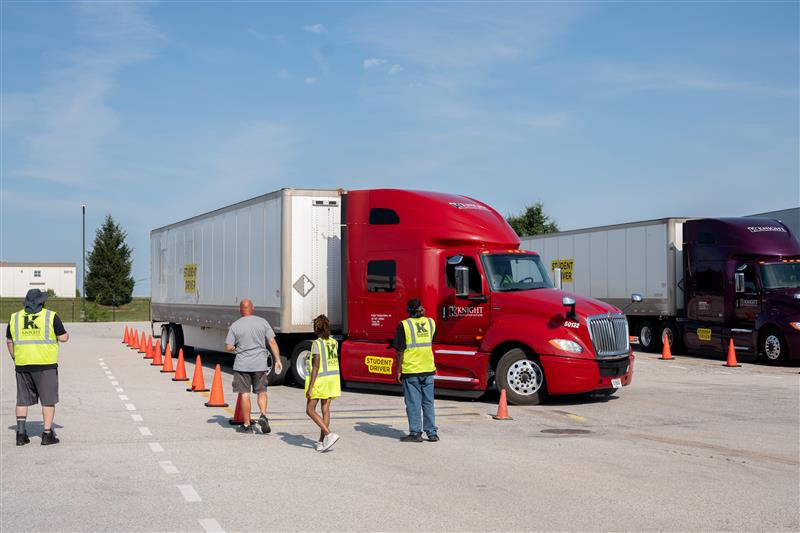
As Brett Sant explains in the podcast, “The day after you get your CDL, you have the same amount of experience as the day before – none.”
Real-world readiness requires:
- Repetition and behind-the-wheel time
- Exposure to modern truck safety technology
- Understanding life on the road
- Mentoring after the CDL is issued
- Carrier-specific operational training
This is where many CDL programs fall short – and where carriers must step in.
"The day after you get your CDL, you have the same amount of experience as the day before - none."
Brett Sant, Executive VP of Safety
Why English Language Proficiency (ELO) is Being Re-Enforced
English Language Proficiency has been a federal requirement for commercial drivers since the 1930s, but enforcement has varied by state over time.
ELP is critical for:
- Reading road signs
- Communicating with law enforcement
- Understanding shipper/receiver instructions
- Interpreting in-cab technology and dispatch systems
Knight evaluates ELP at the very beginning of the driver qualification process because safety, communication, and comprehension are inseparable.
How This Impacts CDL Schools and Training Programs Nationwide
With increased audits and removals from the Training Provider Registry:
- Fewer schools will qualify for training CDL students
- Training capacity will tighten
- Standards for legitimacy will rise
- Carriers will rely more heavily on trusted training pipelines
This will likely create a capacity crunch in the industry – but one that prioritizes safety and quality over volume.
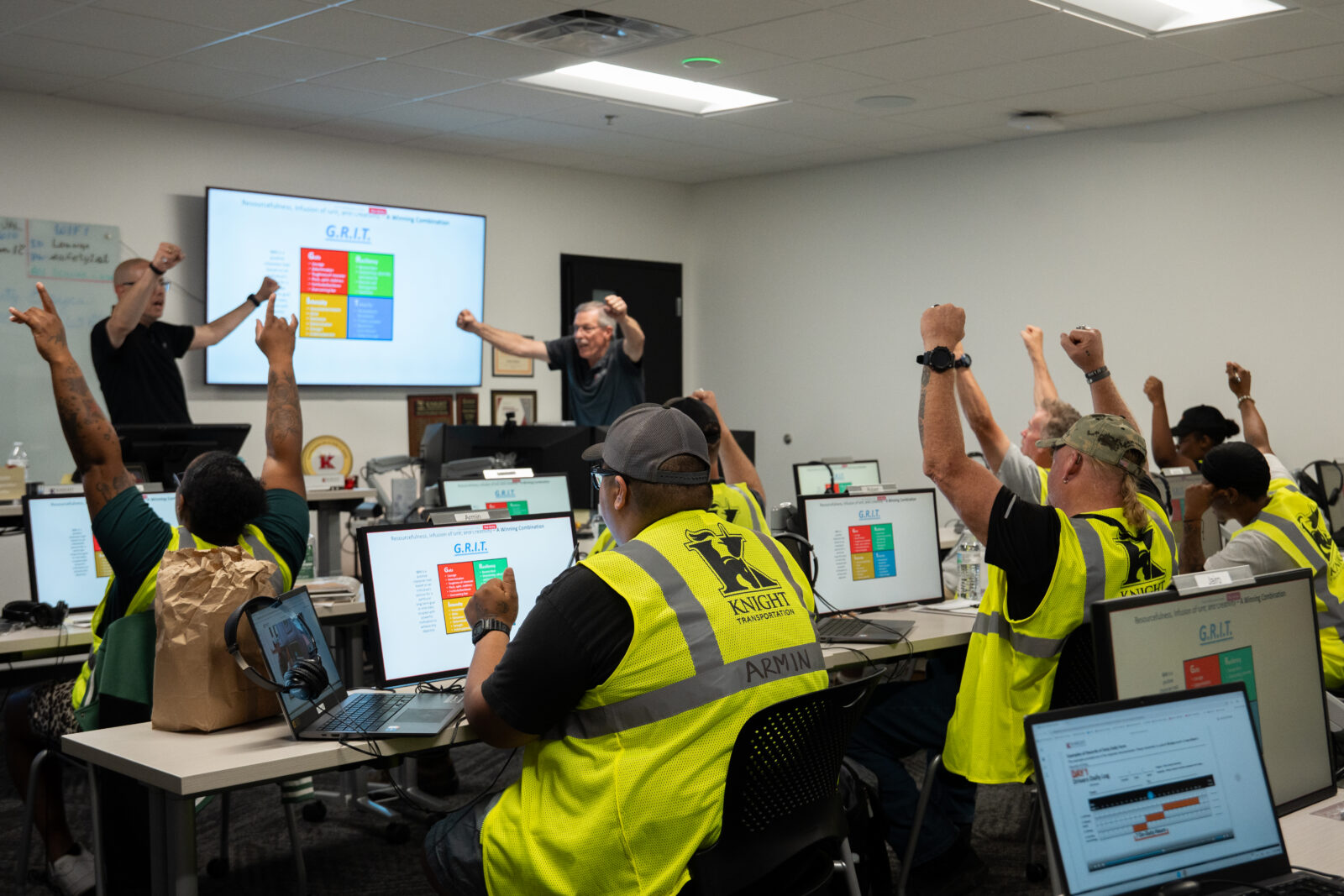
What Sets the Knight CDL Academy Apart
At the Knight Transportation CDL Academy, the goal isn’t to help someone pass a test.
The goal is to develop a successful, long-term professional driver.
What makes a difference:
- Low instructor-to-student ratios
- Training on the same modern equipment that drivers will operate
- Emphasis on life on the road, not just maneuvers
- Proficiency-based progress, not time-based
- A direct pathway into a Knight truck and Knight culture
- Continued mentoring after CDL issuance
Students graduating from the Knight academies are trained with noticeably higher skills, confidence, and familiarity with real equipment and expectations.
Why This Matters for the Entire Industry
These regulatory changes are not about limiting opportunity. They are about restoring integrity to:
- CDL licensing
- Driver training
- Roadway safety
- Carrier accountability
As Dave Tillman notes, the industry can meet driver demand without cutting corners on training quality.
Stronger standards protect:
- Drivers
- Their families
- The motoring public
- The long-term health of reputable carriers
The Future of Driver-Training
Over the next-year, expect to see:
- Fewer but higher-quality CDL training providers
- Greater enforcement of licensing standards
- Increased focus on real-world driver proficiency
- Carriers investing more into their own training pipelines
For prospective drivers, this makes choosing where you get your CDL more important than ever. Not all CDL schools are created equal.
Watch the Full Conversation
This episode of Beyond the Rig provides a candid, educational discussion about what’s changing, why it matters, and how Knight approaches driver training differently.
Watch the full podcast episode here.
Interested in becoming a professionally trained driver?
Learn more about Knight’s CDL training programs and career opportunities here.